

Understanding the Difference Between Gender Identity and Gender Expression
By Emma Kraby
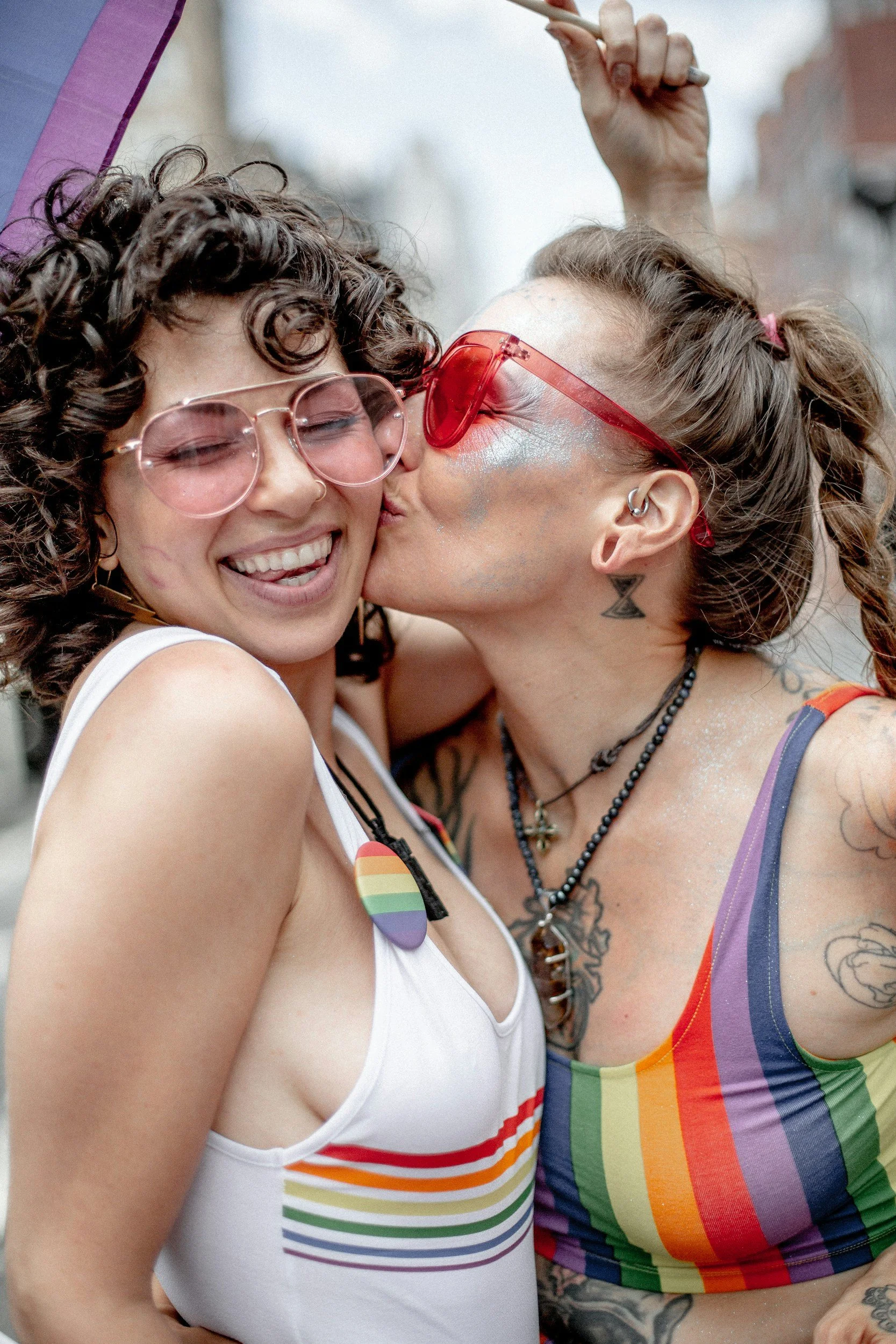
Conversations around gender have become increasingly prevalent. With this rise in awareness, comes a better understanding of the nuances within the concept of gender. Yet it can still be a confusing topic. Many people understand gender as one overarching idea, when in reality we need to be thinking about gender as three separate subjects: gender identity, gender expression, and biological sex. At Empowered Living Collective, we recognize the importance of clarifying these concepts to support individuals navigating their gender or those supporting others’ gender journeys. Let’s dive deeper into these terms, common challenges, and coping strategies for those struggling to reconcile identity and expression.
Gender Identity vs. Gender Expression
Gender identity relates to one’s intrinsic sense of self that may or may not align with sex assigned at birth. This term should be understood as the way individuals see themselves. It’s the very personal experience of how we perceive ourselves on the gender spectrum. A person’s gender identity may not be evident to others based on external appearances. Also, it’s important to keep in mind that a person born with female or male sex parts doesn’t necessarily align with the gender identity of female or male. There’s a gender identity term for how each individual uniquely chooses to identify themselves (Click here for an extensive list). A few examples include the following:
Cisgender: Identification with the sex one was born with.
Non-binary Spectrum: Individuals who identify as a gender outside male or female. People who identify as non-binary may also identify as transgender, but this is not always the case and depends on the individual.
Transgender: Individuals who are born with different sex parts than what they identify with can be transgender, non-binary, or both. Some gender transition procedures include gender affirming surgery and/or hormone replacement therapy which are done to help individuals better align with their gender identity. However, it’s important to note that transitionary care is not needed to identify as transgender. Anyone can be transgender.
Gender Fluid: Those whose gender identity shifts between or outside of their society’s gender norms or expectations.
Agender: This is another term for people who don’t identify with male or female and/or they may not identify with any gender at all.
Gender expression refers to the outward presentation of gender. It reflects how individuals choose to express their gender to the world, often influenced by cultural norms and personal preferences. Gender expression may be consistent or change over time depending on different contexts and circumstances. Think of this as just another form of self-expression, encompassing clothing, hairstyles, mannerisms, and other outward presentations. How someone presents their gender does not determine their gender identity.
While there is a clear distinction between gender identity and expression, many people struggle with aligning these aspects of themselves. Society often imposes rigid expectations based on a gender binary which leaves little room for authentic self-expression and may create feelings of confusion, dysphoria, and alienation. This is especially true for individuals whose identities differ from societal norms. Although it may seem abnormal or out-of-the-box, experiencing a disconnect between one’s gender assigned at birth and true gender identity is quite common. This discrepancy can lead to internal turmoil while navigating the process of self-discovery and acceptance. What’s more, social stigmas, stereotypes, and discrimination against non-conforming gender identities and expressions intensify the struggle of alignment, making it difficult to embrace authenticity.
Coping Strategies/Solutions
Self-Exploration: We can engage in introspection and self-reflection to better understand our own gender identity and expression. This could involve journaling, seeking out supportive communities, and exploring different aspects of gender through education and experimentation.
Seeking Support: Support is available through therapy, support groups, or online communities specializing in gender identity. Check out our LGBTQ+ specialties page to find a gender-affirming therapist. Having a safe space to share experiences and seek guidance can be incredibly beneficial in coping with the challenges of navigating gender and finding validation.
Education and Advocacy: It’s important to promote education and advocacy efforts that challenge societal norms as well as promote inclusivity and acceptance of diverse gender identities and expressions. This includes raising awareness, advocating for policy changes, and encouraging conversations that celebrate gender diversity.
Embracing Authenticity: It’s important to embrace our authentic selves unapologetically, regardless of societal expectations, to foster mental health and well-being. We can express ourselves through clothing, grooming, and behaviors that align with our true gender identities, even in the face of adversity. Again, it may take some experimentation with expression to find what feels truly authentic.
Practicing Self-Compassion: Remind yourself and others to practice self-compassion and kindness while navigating gender. Embracing self-acceptance and acknowledging progress, however small, can cultivate resilience in the face of challenges.
In conclusion, it’s most important to recognize that identity does not equal expression. Gender is also not always the same as biological sex. Both gender identity and expression are extremely personal and depend on how one identifies as a person, which can change over time. All gender identities and expressions are valid and deserving of respect. In addition, knowledge breeds acceptance. Through learning about the unique challenges faced by individuals whose identity and expression may not conform to societal norms, we can provide the necessary resources and support to empower them to embrace their genuine selves. No matter where you are on your journey, know that you are not alone.
At Empowered Living Collective, we are committed to providing a safe and affirming space for individuals to explore their gender identity and expression. Through compassionate therapy, advocacy, and community support, we strive to promote acceptance, resilience, and empowerment for all individuals on their journey towards self-discovery and authenticity. Together, we can all continue to challenge stereotypes, dismantle barriers, and celebrate the beautiful diversity of human expression. If you or someone you know is looking for support as you navigate gender identity or gender expression and mental health, please reach out to one of our therapists that specialize in LGBTQ+ therapy.
