

How to Navigate the Scary Political Climate We’re In: Therapy, Violence, and Healing
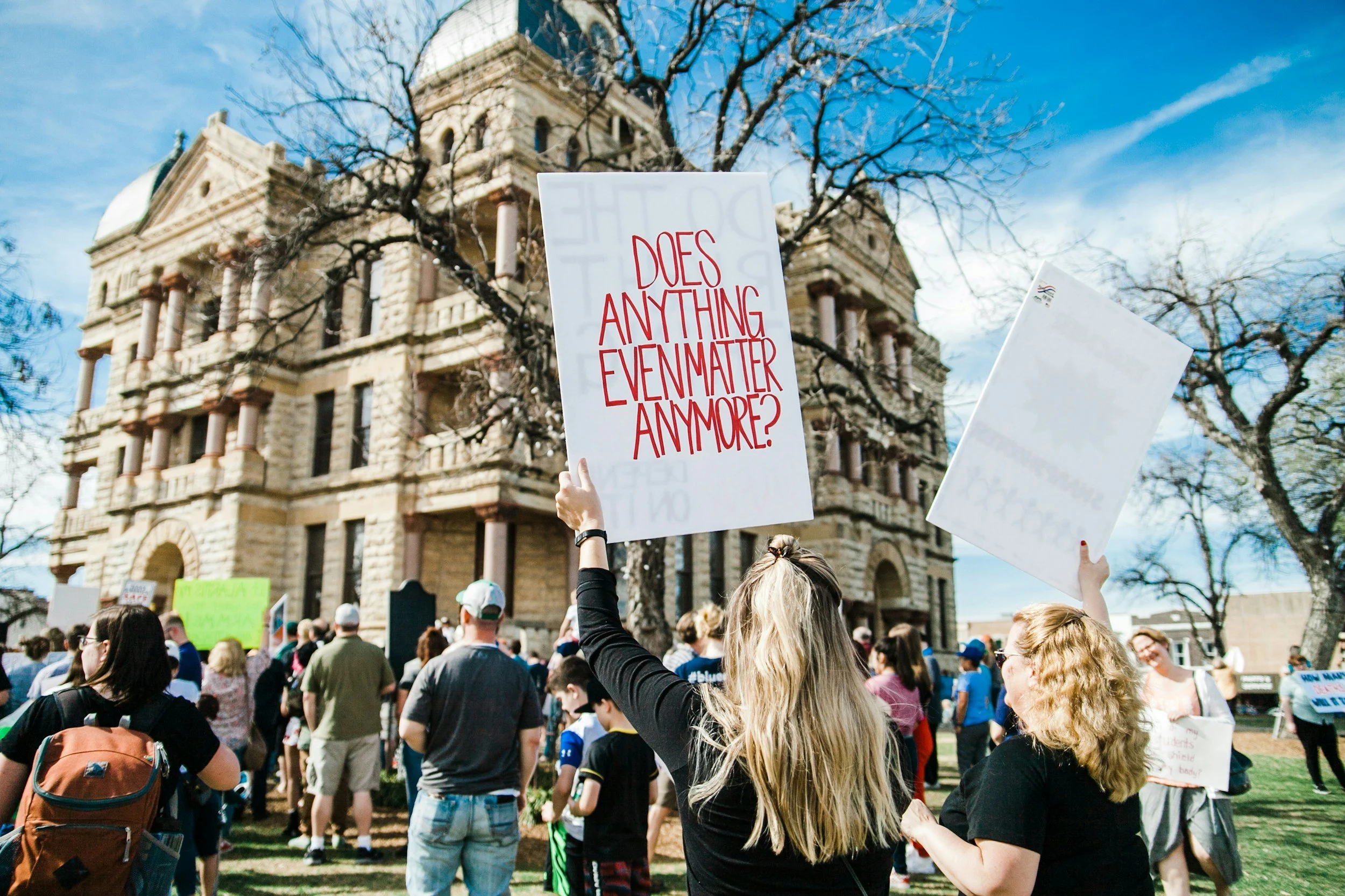
When Violence, Fear, and Mental Health Intersect
When violence is happening so frequently and at such a cruel level, like the recent attacks in Minneapolis, it rarely stays confined to the news cycle. These events enter our nervous systems, our relationships, our sleep, and our sense of safety. For many people, especially those from marginalized or targeted communities, these moments don’t feel distant or theoretical. They feel personal. They feel destabilizing.
In this current political climate marked by polarization, rising hate, and systemic violence, it’s common to hear that therapy should be “neutral” or “apolitical.” At Empowered Living Collective, we wholeheartedly disagree: therapy is inherently political because it centers human dignity, safety, and healing within real-world systems.
How Political Violence Impacts Mental Health
Exposure to political violence, direct or indirect, can have a profound psychological impact. Even when events occur far from where we live, our bodies may respond as though the danger is immediate. You might notice:
Increased anxiety, panic, or hypervigilance
Trouble sleeping or concentrating
Heightened anger, grief, or emotional numbness
Old trauma resurfacing
A persistent sense of unsafety in public or online spaces
For people who are Black, Indigenous, people of color, LGBTQ+, disabled, neurodivergent, immigrants, or otherwise marginalized, these moments often compound long-standing experiences of vigilance. The message can feel clear: safety is conditional, and belonging is fragile.
Why Therapy Is Political (Whether We Name It or Not)
Therapy does not happen in a vacuum. Our mental health is shaped by policies, social narratives, access to resources, and systems of power. To ignore those realities in the therapy room would be to ignore the full context of someone’s life.
When we say therapy is political, we do not mean that therapy is about telling clients what to believe or how to vote. We mean:
Supporting someone’s right to feel safe in their body is political
Naming how systemic oppression affects mental health is political
Validating grief, fear, and anger in response to violence is political
Helping clients reclaim agency, boundaries, and voice is political
In moments of collective harm, silence can feel invalidating, and neutrality can feel like abandonment.
Talking About the Political Climate in Therapy
At Empowered Living Collective, clients are always in control of what they bring into sessions. For many, the current political climate naturally shows up in their therapeutic work. This might include:
Processing fear or grief after violent events
Exploring how news and social media consumption affect anxiety
Navigating family or relationship conflict rooted in political differences
Naming how systemic injustice contributes to burnout or depression
Supporting activism while preventing emotional exhaustion
Developing boundaries around media, conversations, and energy
Caring for Yourself During a Heavy Political Moment
If the political climate feels overwhelming, our therapists can support with small, intentional supports, such as helping you to:
Limit news intake to specific times of day
Stay connected to people and communities that feel safe
Ground in your body through movement, breath, or sensory tools
Allow space for grief and anger, both are valid responses
Rest without guilt; rest is not disengagement
Seek professional support when coping alone feels like too much
If you are wondering why you feel so impacted by the recent events even if it didn’t directly happen to you or your loved ones, it’s normal. Your nervous system is responding to real stress.
Our Commitment to Values-Based, Trauma-Informed Care
At Empowered Living Collective, we believe therapy should be a place where the full reality of your life is welcome, including the fear, anger, exhaustion, and heartbreak that arise during violent or destabilizing political moments.
Our therapists are committed to:
Trauma-informed, anti-oppressive care
Naming reality without minimizing harm
Honoring lived experience and identity
Supporting nervous system regulation in unsafe times
Affirming that your reactions make sense
Healing does not require disengaging from the world. Sometimes, healing is learning how to stay present without completely spiraling.
If the current political climate is weighing on you, we welcome you to get in touch with one of our therapists. Therapy can be a space to process and reconnect with your sense of agency and humanity.
